
Navigating the Digital Boardroom: The Evolution of Conferencing Technology for Meetings
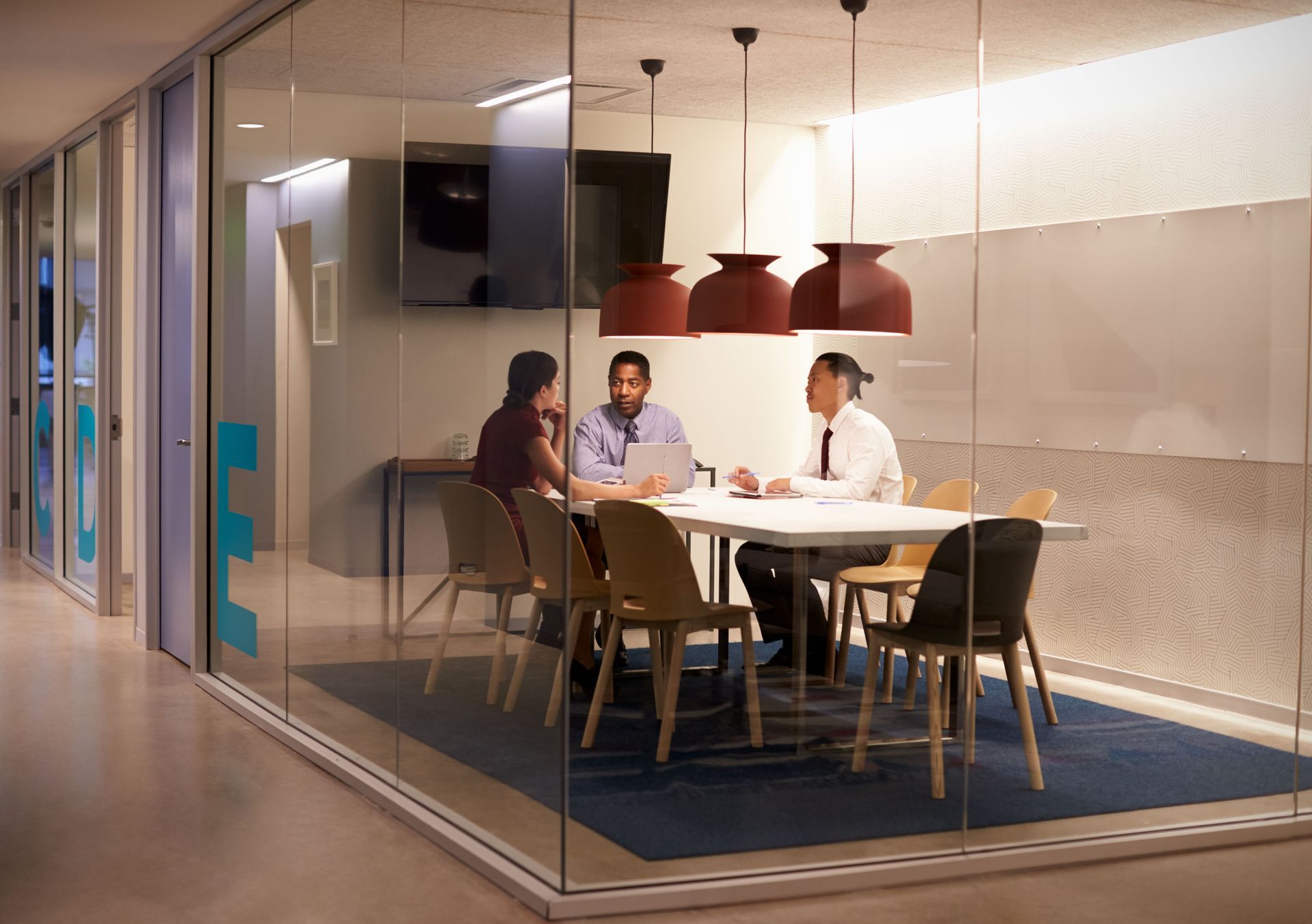
The modern boardroom is no longer defined by a long table, a projector, and everyone gathering in the same physical space. Organizations now collaborate across offices, home workspaces, client locations, and regional hubs, creating a need for communication systems that can support productive conversations regardless of where participants are located. As workplace expectations have changed, conferencing technology for meetings has evolved from a convenient alternative to in-person gatherings into an essential part of everyday business communication.
This evolution has also raised expectations. Participants want clear audio, sharp video, intuitive controls, and reliable connections without spending valuable meeting time troubleshooting equipment. Businesses increasingly recognize that the quality of their conferencing environment can influence collaboration, decision-making, client interactions, and employee engagement. Understanding how these systems have developed can help organizations make more informed choices about the technology supporting their teams.
Improving Communication Through Connected Meeting Environments
Earlier conferencing environments often treated remote participation as a secondary experience. A conference room might have been designed primarily for people sitting around the table, while remote attendees joined through separate devices or basic speakerphones. As distributed work became more common, that approach became less practical. Modern conferencing technology for meetings is increasingly designed around the idea that every participant should be able to contribute comfortably, whether physically present or joining remotely.
Strong connectivity is equally important. Even sophisticated room equipment cannot create a productive experience when participants struggle to hear one another or remain connected. According to WifiTalents, poor audio quality disrupts 1 in 5 conference calls, illustrating why sound performance deserves serious consideration. Reliable infrastructure, appropriate equipment, and thoughtful system design all contribute to communication that feels natural rather than fragmented.
Supporting Collaboration Through Integrated Meeting Systems
The evolution of conferencing has moved beyond simply transmitting voices and images. Meetings often involve presentations, shared documents, collaborative applications, digital whiteboards, and content from multiple participants. Effective conferencing technology for meetings supports these activities as part of a connected environment instead of forcing users to manage several unrelated systems during a conversation.
Integration can make a significant difference in how efficiently meetings begin and progress. When room controls, displays, cameras, microphones, speakers, and collaboration platforms are designed to work together, participants can spend less time navigating technical barriers. A streamlined environment also makes it easier for employees with different levels of technical confidence to use meeting spaces consistently.
This approach is particularly valuable for organizations operating multiple conference rooms or offices. A familiar meeting experience across locations reduces uncertainty and can make training simpler. Employees know what to expect when they enter a collaboration space, while technology teams can manage systems more effectively. Standardization does not require every room to be identical, but it can establish a consistent foundation for reliable communication.
Enhancing Participation Through Intelligent Meeting Experiences
Modern conferencing environments are increasingly focused on making hybrid participation feel more balanced. When some attendees are together in a room, and others are remote, subtle differences in visibility and audio can affect how easily people enter the conversation. Well-designed conferencing technology for meetings can help reduce these barriers by making remote participants easier to see, hear, and engage.
Camera capabilities have become especially important in this area. Instead of presenting remote attendees with a distant view of an entire room, contemporary systems can provide more useful framing and help participants follow the conversation. Microphone placement and audio processing can similarly improve clarity so comments from different parts of a room remain understandable.
The goal is not simply to add more features. Technology is most effective when those features serve the way people naturally communicate. Systems that are overly complicated can create hesitation, delays, and inconsistent use. By contrast, an intuitive experience encourages participants to engage with the tools available to them. Thoughtful design therefore considers technical performance alongside how people interact with the room.
Strengthening Productivity Through Reliable Meeting Infrastructure
Meeting technology has become closely connected to organizational productivity. When communication systems are unreliable, employees may lose time reconnecting devices, adjusting audio, changing rooms, or finding alternative ways to share information. Reliable conferencing technology for meetings helps reduce those interruptions and creates a more predictable environment for collaboration.
Reliability begins with selecting equipment appropriate for the room and its intended use. A small collaboration space has different requirements from a large executive boardroom, training area, or multipurpose conference room. Acoustics, seating arrangements, display visibility, network conditions, and typical meeting formats can all influence system design. Treating every room the same may lead to unnecessary complexity in some spaces and inadequate performance in others.
Ongoing support also matters because meeting environments do not remain static. Collaboration platforms evolve, workplace needs change, and organizations may introduce new devices or security requirements. A conferencing system should be considered part of the broader technology environment rather than a one-time equipment purchase. Planning for management, compatibility, maintenance, and future changes can help protect its usefulness over time.
Preparing Workplaces Through Adaptable Conferencing Solutions
The future of meetings will likely continue to blend physical and digital interaction. Teams may gather differently depending on the project, participants, and purpose of a conversation. For that reason, conferencing technology for meetings benefits from flexibility. Systems should support current communication needs while leaving room for changes in platforms, workplace layouts, and collaboration habits.
Scalability is another important consideration. An organization may begin by modernizing critical spaces and later expand similar capabilities across additional rooms or offices. A well-planned technology strategy can make that growth easier by establishing standards for user experience, connectivity, equipment management, and support. This creates a foundation that can evolve without requiring the organization to rethink its entire approach whenever needs change.
Adaptability also involves understanding that technology alone does not define a successful meeting space. Room layout, acoustics, lighting, display placement, and user expectations all influence the experience. Effective solutions bring these considerations together rather than viewing conferencing as a collection of individual devices.
Advancing Business Communication Through Thoughtful Technology
As organizations become more connected, the quality of digital collaboration increasingly shapes everyday business interactions. Modern communication systems can support faster conversations between teams, improve access to expertise across locations, and make it easier to include clients or partners without requiring everyone to occupy the same space. These benefits become more meaningful when the technology feels dependable and unobtrusive.
Thoughtful conferencing environments can also reinforce professionalism. A client presentation or executive discussion can be undermined when participants cannot hear clearly, content is difficult to share, or equipment behaves unpredictably. Conversely, a well-designed system allows attention to remain on the people and information that matter. Technology then becomes an enabling part of the conversation rather than a distraction from it.
Organizations evaluating their meeting environments should therefore consider more than individual product features. The relationship between room design, infrastructure, user experience, collaboration platforms, and long-term support is equally important. Conferencing technology for meetings delivers greater value when these elements function as parts of a unified communication strategy.
Creating Better Meetings Through Purposeful Conferencing Design
The digital boardroom has evolved into a flexible communication environment capable of connecting people across many working arrangements. As meetings continue to span physical and virtual spaces, organizations need systems that prioritize clarity, ease of use, reliability, and meaningful participation. The evolution of conferencing technology for meetings reflects a broader shift toward collaboration that is less dependent on location and more focused on creating consistent experiences for everyone involved.
Choosing the right approach requires careful consideration of how people actually use each space and how those needs may change. Rather than adding technology for its own sake, businesses can benefit from solutions designed around communication goals, room characteristics, and organizational workflows. A purposeful strategy helps create meeting spaces where technology supports productive interaction without getting in the way.
For organizations ready to improve the way their teams communicate, Intaglio can help create a conferencing environment built around practical business needs. Contact us to learn how we can evaluate your space, discuss your collaboration goals, and develop a solution that helps our clients communicate with greater confidence.



Share On: